
Flood Insurance for Delaware and Maryland Coastal Properties
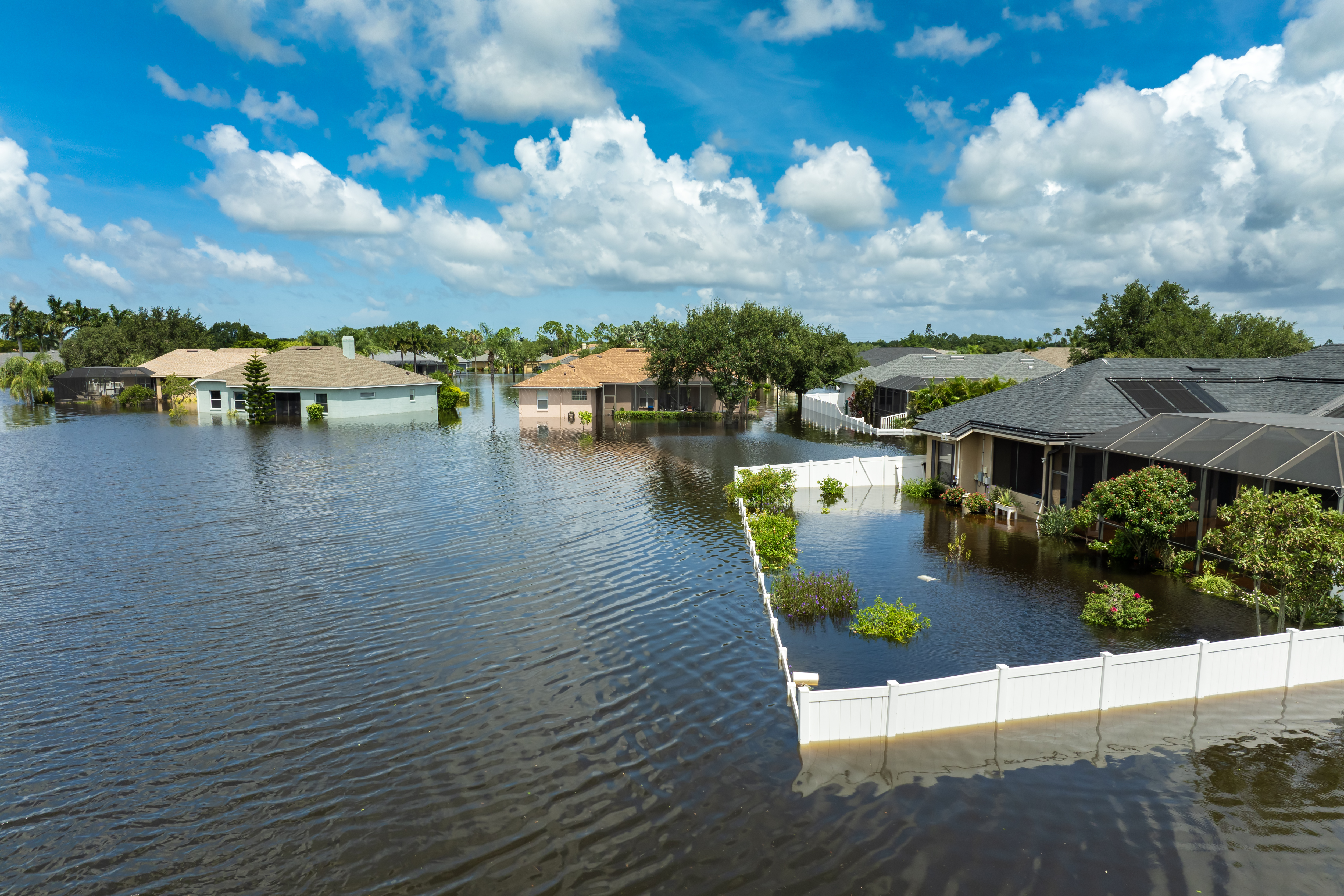
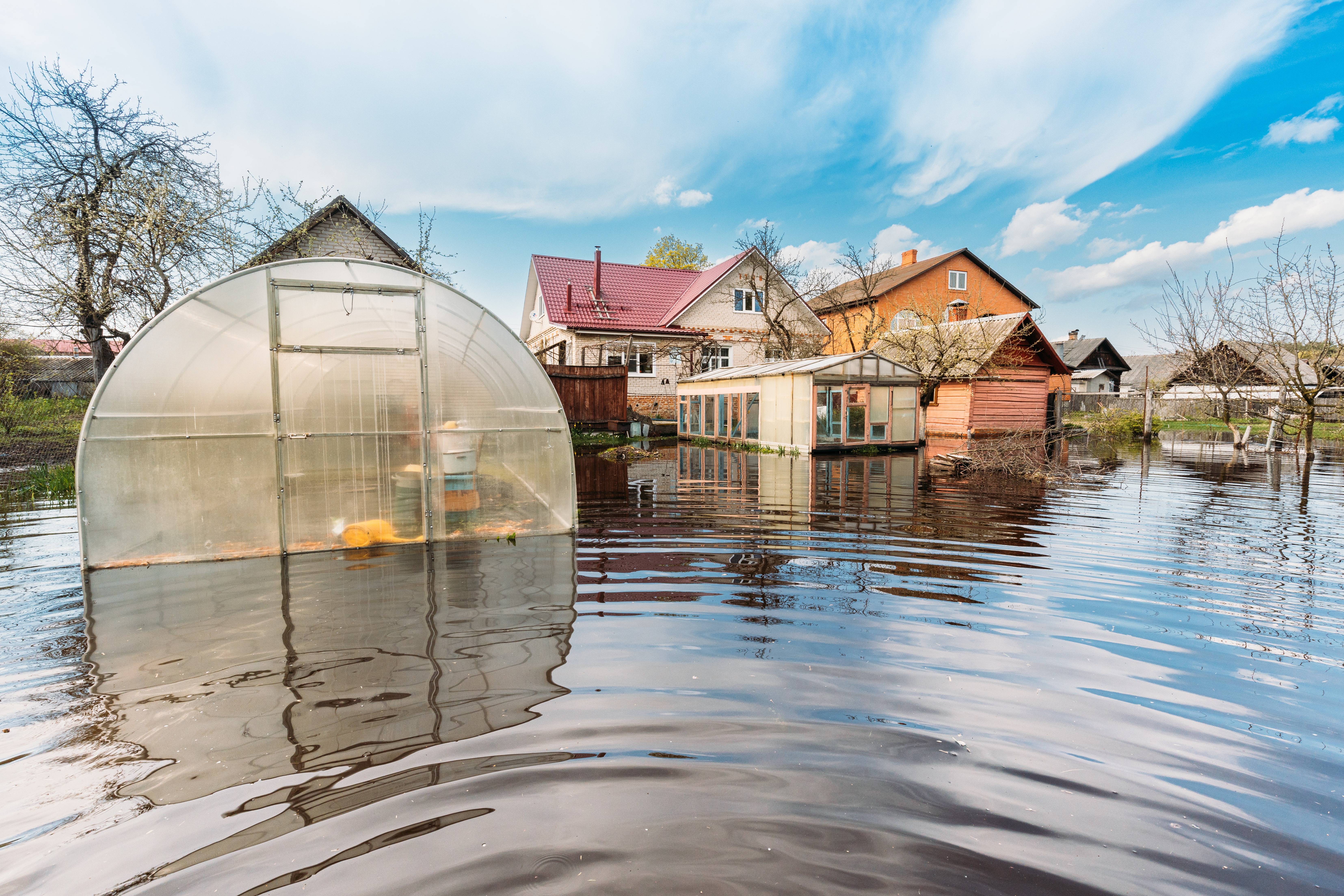
Your homeowners policy does not cover flood damage from rising water — not an inch of it. That's not a fine-print technicality; it's the most common and costly misunderstanding in coastal property insurance. If water rises from the ground up and enters your home, a standard homeowners policy won't pay for any of it. Flood insurance is a separate policy, and in a county where more than one-fifth of all properties fall within identified FEMA flood plains, it's not something to leave to chance.
Why So Many Sussex County Homeowners End Up Underinsured
Sussex County is one of the most flood-exposed counties on the East Coast, and flood insurance Delaware residents carry — or don't carry — reflects that risk gap. FEMA flood zone designations tell you where flooding is statistically likely. They don't tell you where it can't happen. From 2015 through 2025, the NFIP paid out more than 239 claims in Sussex County alone, and a meaningful share of those came from properties that weren't mapped as high-risk zones. Flooding follows water, not map lines. Rainfall, storm surge, and drainage failures don't stop at zone boundaries.
Your Two Options for Flood Insurance Coverage
NFIP Flood Insurance Through FEMA
The National Flood Insurance Program is the federally backed option administered by FEMA and available through licensed agents. NFIP policies are standardized: up to $250,000 in building coverage and up to $100,000 for contents. If your mortgage lender requires flood insurance because your property sits in a designated Special Flood Hazard Area, an NFIP policy satisfies that requirement. Rates are set by FEMA's Risk Rating 2.0 methodology, so they don't vary from agent to agent — but the coverage terms and the guidance you get do.
Private Flood Insurance in Delaware and Maryland
Private flood insurance has expanded significantly in Delaware and Maryland over the past several years, and for many properties it's worth a serious look. Private policies can offer higher building limits than the NFIP, broader coverage terms, shorter waiting periods, and in some cases lower premiums. They're also increasingly accepted by mortgage lenders in place of NFIP coverage. If you've been paying for an NFIP policy for years without comparing it to the private market, that comparison is worth making. I write both, and I'll pull quotes from both so you can see exactly what you're getting for what you're paying.
What Flood Insurance Typically Covers
Flood policies cover physical damage caused by rising water — the kind your homeowners policy specifically excludes. Coverage generally falls into two categories:
- Building coverage: the structure itself, foundation, electrical and plumbing systems, HVAC equipment, built-in appliances, and flooring
- Contents coverage: furniture, clothing, electronics, and personal belongings (typically purchased separately from building coverage)
Flood policies do not cover temporary living expenses, landscaping, or most items stored in a basement. Knowing those gaps before you need to file a claim matters.
If Your Lender Is Requiring Flood Insurance, Here's What to Do
A lender flood insurance requirement isn't a problem — it's a phone call. When a property is in a designated FEMA Special Flood Hazard Area, the lender is required by federal law to make flood insurance a condition of the loan. That requirement doesn't go away, but satisfying it is straightforward. I'll get you the documentation your lender needs, walk you through what the policy actually covers, and make sure you're not paying more than you should for coverage you're required to carry.
Properties Outside the Flood Zone Still Face Real Risk
If your property isn't in a high-risk FEMA zone, flood insurance isn't required — but that doesn't mean flooding isn't a possibility. Lower-risk zones still flood. Drainage systems back up. Storms push water into areas that haven't flooded in decades. NFIP flood insurance is available and often significantly less expensive for properties in lower-risk zones, which means the cost of coverage is modest relative to what a single flood event can cost out of pocket. I'm happy to run a quote so you have a real number to weigh against the risk.
How I Help With Flood Insurance in Delaware and Maryland
I write flood insurance for property owners across Sussex County, DE and Worcester County, MD — from Rehoboth Beach and Lewes to Ocean City and Bethany Beach. That includes primary residences, vacation homes, short-term rental properties, and condos. Whether you're buying a property and need coverage before closing, responding to a lender requirement, or just wondering whether your current policy is still the right fit, I can get you quotes from both the NFIP and private flood markets and walk you through the difference.
- Licensed in Delaware, Maryland, Virginia, and Pennsylvania
- Access to NFIP and multiple private flood carriers
- Direct contact with me — calls and texts answered personally, no call center
- Quotes for both markets so you can compare coverage and cost side by side
- Experience with lender documentation and closing timelines
Flood Insurance Questions, Answered
Do I need flood insurance in Sussex County, Delaware if I'm not in a high-risk zone?
You're not required to carry flood insurance if your property isn't in a designated Special Flood Hazard Area, but that doesn't mean flooding can't happen. More than 239 NFIP claims were paid in Sussex County between 2015 and 2025, and many came from properties outside mapped high-risk zones. Flood insurance for lower-risk properties is typically much less expensive than most people expect — it's worth getting a number before deciding.What's the difference between NFIP and private flood insurance?
NFIP flood insurance is the federally backed program through FEMA, with standardized coverage up to $250,000 for the building and $100,000 for contents. Private flood insurance is offered through independent carriers and can provide higher limits, broader terms, and in some cases lower premiums. Both are legitimate options, and both are accepted by most mortgage lenders. I write both and can quote them side by side so you can make an informed choice.My mortgage company says I need flood insurance. How fast can I get it?
Faster than you might think. Once I have your property address and any elevation certificate on file, I can pull quotes and bind coverage quickly. If you're working against a closing deadline, let me know upfront — I'll prioritize your timeline and make sure your lender gets the documentation they need.Does my homeowners insurance cover flood damage?
No. Standard homeowners policies in Delaware and Maryland specifically exclude damage caused by rising water, storm surge, or flooding. That exclusion applies regardless of your insurer or policy tier. Flood damage requires a separate flood insurance policy — either through the NFIP or a private carrier.How is flood insurance priced in Delaware?
NFIP pricing is set by FEMA's Risk Rating 2.0 system and is based on your property's specific flood risk factors — elevation, distance to water, foundation type, and coverage amount. Private flood premiums vary by carrier and property characteristics. Properties in lower-risk zones are generally priced more affordably than those in high-risk SFHAs. The only way to know your actual cost is to run a quote, which I'm glad to do at no charge.

What to Expect When You Reach Out
Getting a flood insurance quote is simpler than most people expect. I'll ask about your property address, whether you have an existing elevation certificate, and what your lender requires if this is a purchase or refinance situation. From there I can pull quotes from the NFIP and applicable private carriers and present them in plain language — not insurance jargon. Most people have a clear path forward within one conversation.

1
What we believe
We stand for beauty that feels real and shows real results.
We choose thoughtful over rushed. Intentional over trendy. Real over filtered. We believe in confidence that isn’t loud but is undeniable.
2
What we try to deliver
A skin that feels like home, and in a version of beauty that is deeply yours.
We use organic, dermatologically tested products to deliver impactful treatments that are safe and healthy for your body.